

Training Working Dogs: Where Work Meets Wag
Introduction:
Welcome to Happy Working Dogs! Here, we celebrate the unique relationships between working dogs and their trainers, owners and family members. As someone with a background in education and a deep love for training working dogs, I understand both the technical and emotional bonds that make these dogs so remarkable. I love training working dogs of my own and all our doggie family members were working dogs. So I am very well acquainted with the importance of making sure working dogs have a job in order for them to be happy.
Even though I’m not a professional trainer I did work along side a professional trainer for over a year as an apprentice and had a blast. Dogs have always been a part of my life and I hope they will always be around. Happy Working Dogs is a place for knowledge, support, and, of course, wagging tails. Today, let’s dive into what makes working dogs special and how we can all best empower them and make them happy!
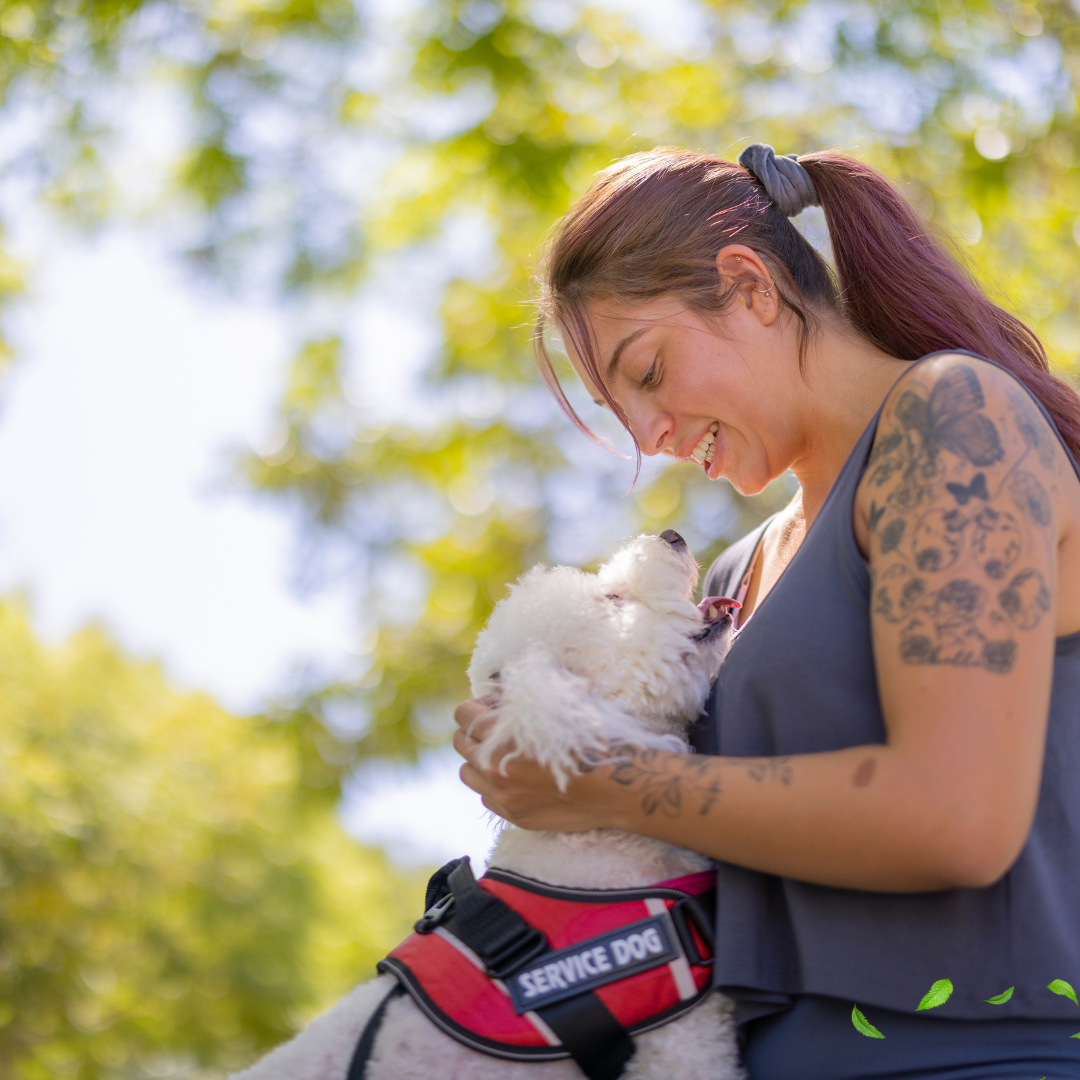
The Unbreakable Bond with Working Dogs
Can they become family members?
As you probably know, working dogs do more than simply respond to commands—they forge a unique connection with us, making each partnership a true collaboration. These dogs become family, friends, and trusted partners who are always ready to help. Their willingness to work stems not only from trained dogs, but from the respect and trust they build with us.
What is a Working Dog?
A dog with a job is a working dog
Working dogs are trained to assist humans in specific tasks that require physical, mental, and sometimes even emotional stamina. From service dogs aiding individuals with disabilities to detection dogs assisting in security, they are often classified into various categories, such as:
1. Service Dogs – Trained to help individuals with disabilities
2. Therapy Dogs – Providing emotional support in therapeutic settings
3. Search and Rescue Dogs – Locating missing persons or detecting dangers in natural disasters
4. Herding Dogs – Used on farms to manage livestock
5. Police and Military Dogs – Assisting law enforcement and military personnel
6. Hunting Dogs – Killing mice, rats and weasels to retrieving fowl or taking down deer
7. Pulling or Carting Dogs – Used in transportation over large areas of terrain or to assist with moving people or cargo
Training working dogs requires specialized training, which leads to unique bonds and challenges for trainers and owners alike.
My Journey with Working Dogs
Training makes a Happy Dog
As I shared earlier, I apprenticed with an experienced dog trainer, and over time, I became passionate about developing these dogs’ natural abilities and helping others to better understand their instinctive need for a job. From early morning training sessions to late-night research, I poured myself into understanding how to communicate with and motivate these incredible animals.
Through this journey, I learned a valuable lesson: training dogs is not just about commands or techniques. It is about cultivating a partnership. Many of the dogs I trained became lifelong friends and trusted family members, and each one has taught me as much as I taught them.
Why Working Dogs Need Special Training: a working dog goes beyond basic obedience. It requires a program tailored to the dog’s purpose, from scent detection to high-energy tasks. Below are some critical aspects of working dog training:
1. Consistency
Working dogs rely on routine. Consistent training helps them build confidence in their roles, and it’s essential for them to understand what’s expected.
2. Positive Reinforcement
Reward-based training strengthens the bond between the dog and trainer, reinforcing positive behavior and ensuring the dog feels motivated and appreciated. Most dogs have either or play, prey or food drive. Some will be motivated by one or sometime all three drives. It’s important to find out early which drive is number one on your dog’s list. You can find this out through a simple series of rewards given after a command. If your dog is driven by food, carrying treats with you in early training will be a necessity. But remember that play and prey drive can be just as strong in your dog, so playing fetch or tug of war or handing over a toy can be a reward in and of it’s self.
3. Adaptability
Working dogs need the flexibility to respond to different environments. By gradually exposing them to new situations, you can build resilience in your dogs, making them adaptable and confident in various settings.
4. Physical and Mental Stimulation
Working dogs are naturally active and intelligent. Mental challenges and physical exercise are vital to keeping them engaged, reducing anxiety, and enhancing performance. A fifteen minute walk (allowing sniffs along the way) can be just as rewarding to your dog as a five mile hike. Interest in the smells along the route allow them to figure out who and what has been there. Dogs can identify through smell the size and sex of another dog that has been along the same walk simply by sniffing. And you don’t have time for a walk, maybe a romp at a dog park, fetch, or sniffing games inside your home. More on this in my next article!
Empowering Working Dogs and Their Trainers
Working dogs thrive when they feel empowered—and so do trainers. Empowerment is a two-way street, and here are ways to foster this powerful connection:
1. Communication Skills
Understand and interpret the subtle cues your dog gives. Dogs communicate through body language, so recognizing these signals helps in developing a deeper bond and understanding. Also, be consistent in your training cues, signals and responses. Make sure to use the same cues and words throughout your training for a particular request.
2. Trust-Building Exercises
Activities that reinforce trust between trainer and dog are essential. For example, training in unfamiliar environments or encouraging dogs to make choices in specific exercises teaches them confidence. If at all possible, be careful not to show or express fear when training. If you lack confidence or are hesitate about something or fearful, your dog will know. We can give off a chemical pheromone that dogs can smell and respond to if we feel threated or fearful.
3. Setting Realistic Goals
Every dog learns at its own pace, and each working dog has its own strengths. Establish short-term goals to ensure that both you and your dog are set up for success and can enjoy the journey together. Puppies love to learn and most will respond with exuberance and enthusiasm. If they don’t, they may need a puppy break, water, food or a nap. This goes for puppies and full grown dogs.
4. Continuous Learning
Whether you are an experienced trainer or just starting out, there is always more to learn. Continuing to develop your skills and knowledge benefits you and your dog alike. There or so many books on the market today, online instruction and in-person training sessions that are available in today’s world. If possible, take advantage of some in-person lessons and if not, utilize the internet and books from the library for an inexpensive way to train your best canine friend.
Challenges Trainers and Owners May Face
Every journey has its hurdles. Here are some common challenges in training working dogs and how to address them:
Burnout
Working dogs and trainers can experience burnout. Ensure plenty of downtime, mental breaks, and a mix of different training exercises to keep the experience positive. Boredom can also lead to setbacks, so make sure your dog gets a walk now and then and experience new a different situations along the way.
Overstimulation
In high-energy environments, some working dogs may become overstimulated. Gradual exposure to such situations can help your dog adapt, as can ensuring they have a quiet space to rest. My Aussie was so excited about agility classes that when we walked in to wait in line he jumped straight up next to me while waiting his turn, again, again and again. It got to where I had to wait in the other room before bringing him in because he couldn’t wait to get started! Our instruction said this was a common experience and we worked together to get him used to waiting in line!
Emotional Attachment
Forming an emotional bond with a working dog is natural, but balancing this attachment with the professionalism needed to maintain structure and discipline is essential. Your dog is a working dog. He or she needs a job, but don’t let them tell you what to do. Make sure they know what boundaries are in place and enforce them. Structure and boundaries are important in your relationship with your dog. With consistent training and discipline both you and your dog will benefit and create a bond that can’t be broken.
Celebrating the Work, Celebrating the Wag
At the end of the day, working dogs bring an unparalleled sense of joy and accomplishment to our lives. Happy Working Dogs was created as a space for people like you, who understand and cherish the commitment, loyalty, and love that these dogs bring to their work. Together, we will share stories, tips, and resources to support and celebrate these incredible animals and the journey we take with them.
Whether you are a seasoned trainer or new to the world of working dogs, welcome! This is your community, a place where we can all learn, grow, and support one another.
Conclusion
Thank you for joining me on this journey at *Happy Working Dogs*. With every post, I hope to offer insights and advice that empower both you and your dog. Here is to the work, the wag, and the incredible bond we share with these remarkable animals.